

Identifying Fake Cancer Medicines
Identifying Fake Cancer Medicines
Everyone has a part to play in ensuring that medicines are safe. By working with your healthcare provider and taking a moment to visually inspect your medication, you help protect yourself and public health. It’s as easy as PIE(S)!
Visual checks are useful, but they have limits. Even trained professionals cannot always spot a substandard and falsified (SF) medicine by sight alone. True confirmation requires laboratory analysis. This page outlines practical steps to help you identify warning signs and know when to speak up.
Be alert to suspicious supply sources
Factors related to the supply chain, such as pricing, origin, or quantities of a product, can indicate the likelihood of a cancer medicine being SF. It is important to be alert when:
- A medicine that was short in supply is suddenly available on the market.
- Prices are unusually low.
- For healthcare providers, documentation on wholesalers or distributor licences are missing or suspicious. More for healthcare providers here.
Check wholesaler and distributor licenses if you are purchasing for your clinic
In the U.S. specifically, the FDA prohibits the purchase of prescription medicines outside of the U.S. supply chain and suppliers must be licensed in the state in which the physician or pharmacist practices. To verify a supplier:
- Use the FDA’s list of state licensing agencies to check distributor credentials.
- Search by business name, license number, location, or state.
- Confirm that the license is valid and active.
- Repeat this check at least twice per year.
If in the U.S., verify the license of your supplier using the FDA’s list of state licensing agencies: http://safedr.ug/fdalicense
Don’t be fooled by online pharmacies that seem too good to be true
Online pharmacies may be convenient and offer unbelievable discounts, things that would interest any cancer patient on a budget. But, most online pharmacies offering prescription drugs operate illegally and are a platform for the dissemination of SF medicines. In the U.S., 95% of online pharmacies are estimated to be illegal, and 24% of Americans who have used an online pharmacy have been exposed to SF medicines. According to the WHO, a legitimate online pharmacy requires a doctor’s prescription and provides the following information:
- Name of the pharmacy providing the service.
- The geographic addresses at which the pharmacy is established and its details (e-mail address, telephone, and fax numbers).
- Professional title of the pharmacist responsible and where title was granted.
- Professional body with which the responsible pharmacist is registered and the relevant supervisory authority.
- Reference to the applicable professional rules in the country of establishment and how to access them.
In the U.S., the NABP Safe Site Search Tool can help you verify any online pharmacy.
If you see a price advertised online that seems too good to be true, it probably is. Talk to a healthcare professional if you are unsure.
Request a sample of your prescribed medicine, if available, or familiarize yourself with the product
It is important to become familiar with the appearance, taste and packaging of your prescribed medicine. Sometimes, healthcare providers can provide a sample of the medicine, especially if it is a brand name medicine. If that is not possible, it’s a good idea to familiarize yourself with images of a product from an official source. WebMD provides photos of several medicines. Look for branding, appearance, the packaging, and expected side effects of the medicine.
It’s hard to spot SF medicines. The only real way to know whether a drug is real is through chemical analysis in a laboratory. SF medicines may differ in size, shape, color, or packaging quality. Patients and providers should know the following common signs of falsification and poor quality:
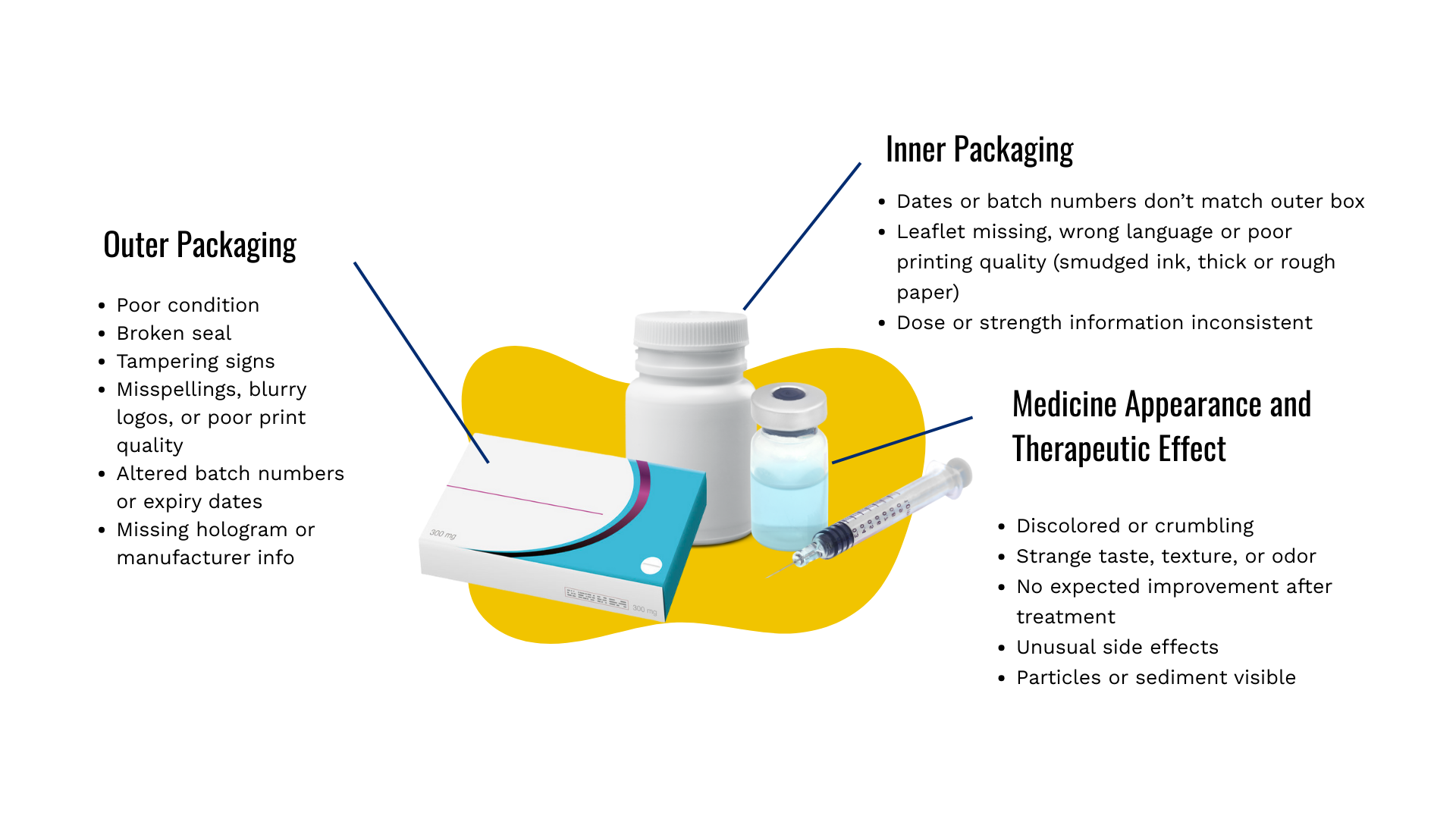
The World Health Professionals Alliance has a detailed checklist tool to help you carry out a visual inspection of medicines. Access it here.
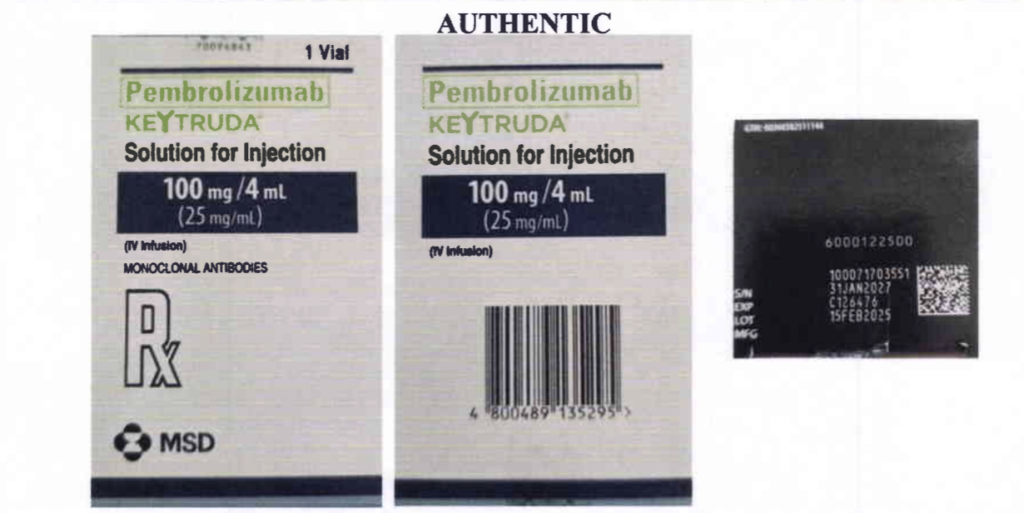
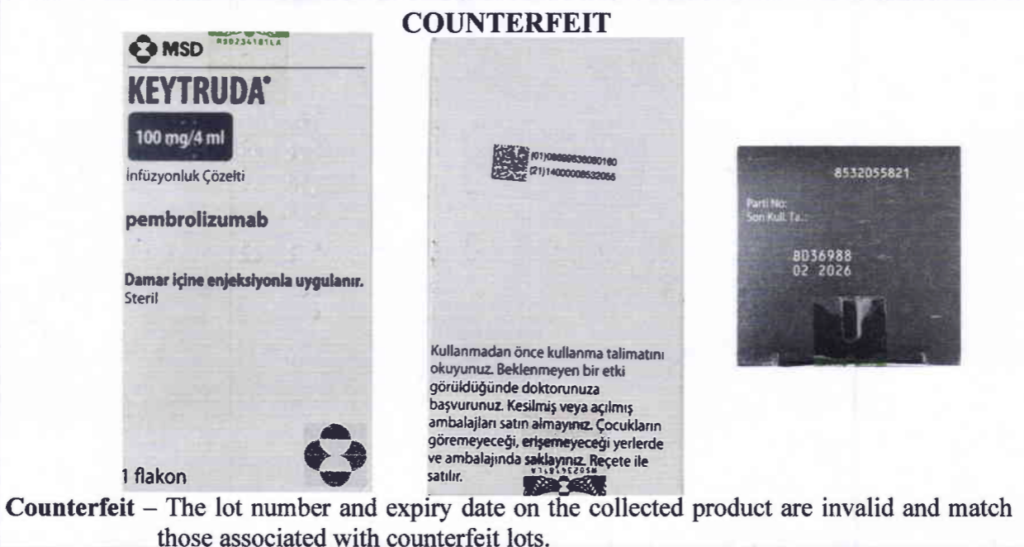
Packaging examples
After using the medicine, pay attention to these warning signs of poor medicine quality or falsification:
- Unexpected lack of therapeutic effect
- Unexpected side effects or reactions
- Strange taste, smell or texture
Trust your instincts. If a medicine looks different, doesn’t work as expected, or causes unusual side effects, immediately stop use and report it.
Make sure to immediately document where and when you obtained the medicine and the symptoms (if any) you are experiencing. Take pictures of the packaging and keep the medicine in case it is sent for lab testing.
Learn more about reporting SF medicines here.
Your action helps protect not only yourself but also your community by alerting health authorities to potential safety risks.